
Why Weatherproofing Your Asphalt is Important
Weatherproofing your asphalt is crucial to maintain its longevity and prevent costly repairs down the line. Asphalt is naturally susceptible to damage caused by weather elements such as rain, UV rays, and temperature fluctuations. Without adequate protection, these factors can lead to cracks, potholes, and erosion, compromising the structural integrity of your asphalt surface.
By weatherproofing your asphalt, you create a barrier that shields the pavement from the harmful effects of the environment. This protective layer reduces the penetration of water, preventing it from seeping into the asphalt and causing damage. Additionally, weatherproofing seals any existing cracks and prevents new ones from forming, ensuring a smoother and safer surface for vehicles and pedestrians alike. Investing in regular weatherproofing treatments not only extends the lifespan of your asphalt but also saves you money in the long run by reducing the need for costly repairs and replacements.
The Benefits of Weatherproofing Your Asphalt
Asphalt is a popular choice for driveways and parking lots due to its durability and longevity. However, over time, asphalt can start to show signs of wear and tear, such as cracks and fading. This is where sealcoating comes in. One of the primary benefits of sealcoating your asphalt is that it acts as a protective barrier against the elements. By applying a sealant to the surface, you can prevent water, UV rays, and other weather-related factors from penetrating the asphalt and causing damage. In turn, this helps to extend the lifespan of your asphalt, saving you money in the long run.
Another advantage of weatherproofing your asphalt is that it enhances its appearance. Over time, asphalt can become dull and faded due to exposure to the sun and natural wear. However, by applying a fresh coat of sealant, you can restore and rejuvenate the look of your asphalt, giving it a smooth and sleek finish. Not only does this improve the curb appeal of your property, but it also makes it safer for pedestrians and vehicles, as the sealcoating fills in small cracks and minimizes tripping hazards. Additionally, sealcoating provides the asphalt with a protective layer that resists oil stains, making it easier to clean and maintain.
Understanding the Mechanics of Sealcoating
Sealcoating is a crucial process in asphalt maintenance that involves applying a protective layer to the surface of the pavement. This protective layer acts as a barrier, shielding the asphalt from the damaging effects of weather, such as rain, snow, and UV rays. Without proper sealcoating, asphalt is susceptible to cracks, potholes, and other forms of deterioration that can significantly shorten its lifespan.
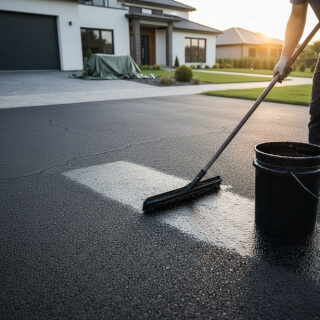
The mechanics of sealcoating are relatively straightforward. The process typically begins with thorough cleaning of the asphalt surface to remove any dirt, debris, or loose materials. This ensures that the sealant can adhere properly to the pavement. Once the surface is clean and dry, the sealcoat is applied using specialized equipment, such as sprayers or squeegees, to achieve a smooth and uniform finish. The sealant then needs time to cure, allowing it to create a protective shield over the asphalt, enhancing its durability and longevity.
How Sealcoating Protects Your Asphalt from Weather Damage
Sealcoating is a crucial step in protecting your asphalt from the damaging effects of weather. By applying a layer of sealant onto the surface of your asphalt, you create a barrier that shields it from the elements. This protective layer prevents water from seeping into the asphalt, which helps to prevent cracks and deterioration over time. In addition, sealcoating acts as a barrier against harmful UV rays, reducing the risk of fading and weakening of the asphalt surface.
The process of sealcoating involves applying a thin layer of asphalt emulsion or coal tar pitch over the entire surface of the asphalt. This mixture is specifically designed to adhere to the asphalt surface and provide long-lasting protection. Once applied, the sealant dries and forms a protective layer that helps to resist the effects of rain, snow, ice, and sun exposure. By regularly sealcoating your asphalt, you can significantly extend its lifespan and ensure that it remains in optimal condition for years to come.
Common Signs of Asphalt Weather Damage
Cracks are among the most common signs of weather damage on asphalt surfaces. As the weather fluctuates, it causes the asphalt to expand and contract. Over time, this continuous movement weakens the surface, leading to the development of cracks. These cracks can vary in size, from small hairline cracks to larger fissures. If left unattended, they can worsen and result in more severe damage to the asphalt.
Another sign of weather damage on asphalt is the formation of potholes. When water seeps into the cracks and freezes during colder temperatures, it expands. This expansion creates pressure within the cracks, further weakening the asphalt surface. As a result, sections of the asphalt can break away, leaving behind potholes. These potholes not only pose hazards to vehicles and pedestrians but also indicate the presence of weather damage on the asphalt. Regular inspection and timely repair can help prevent further deterioration and extend the lifespan of the surface.
The Process of Weatherproofing Your Asphalt
Weatherproofing your asphalt helps it last longer and stay strong. First, clean the surface by removing dirt, debris, and stains, using a power washer or broom. Next, fill any cracks or potholes to make the surface smooth. Then, apply a high-quality sealant with a brush, squeegee, or sprayer. The sealant protects against weather, UV rays, and traffic damage. Allow a few hours for drying before using the asphalt again.
Choosing the Right Sealcoating Contractor in Mechanicsburg PA
When it comes to choosing the right sealcoating contractor in Mechanicsburg, PA, there are several factors to consider. One of the most important things to look for is experience. It’s essential to hire a contractor who has a proven track record in the industry and understands the intricacies of sealcoating. Additionally, consider their reputation and ask for references or testimonials from past clients. This will give you a better idea of their workmanship and customer satisfaction.
Another key factor to consider is the type of materials and equipment the contractor uses. Make sure they use high-quality products and state-of-the-art tools to ensure a durable and long-lasting sealcoat. Additionally, inquire about their process and if they follow industry standards and best practices. It’s crucial to choose a contractor who takes pride in their work and is committed to providing exceptional service to their customers. By considering these factors, you can ensure that you choose the right sealcoating contractor in Mechanicsburg, PA, who will deliver quality results.
Factors to Consider Before Sealcoating Your Asphalt
Sealcoating is an essential step in maintaining the longevity and durability of your asphalt. However, before you proceed with sealcoating, there are several factors to consider to ensure that you make the best decision for your specific needs. One important factor to think about is the condition of your asphalt. It is crucial to evaluate whether your pavement is in good enough shape to benefit from sealcoating. If your asphalt is severely cracked, damaged, or already in the process of breaking down, it may be necessary to consider repairs or resurfacing before applying sealcoating. Understanding the current state of your asphalt will help you determine the most effective course of action to protect and maintain it.
• Evaluate the condition of your asphalt to determine if it is suitable for sealcoating
• Look for severe cracks, damage, or signs of breaking down
• Consider repairs or resurfacing if necessary before applying sealcoating
Why is weatherproofing your asphalt important?
Weatherproofing your asphalt is important because it helps protect it from damage caused by weather elements such as rain, snow, UV rays, and temperature fluctuations. It can extend the lifespan of your asphalt and save you money on repairs in the long run.
What are the benefits of sealcoating your asphalt?
Sealcoating your asphalt offers several benefits, including protection against weather damage, improved appearance, increased traction, prevention of oxidation, and resistance to oil and gas spills.
Can you explain the mechanics of sealcoating?
Sealcoating involves applying a protective layer of sealant to the surface of the asphalt. This sealant fills in small cracks and voids, creating a smooth and even surface. It acts as a barrier, preventing water and other substances from penetrating the asphalt and causing damage.
How does sealcoating protect asphalt from weather damage?
Sealcoating creates a waterproof barrier on the surface of the asphalt, preventing water from seeping into cracks and causing them to expand. It also protects against the damaging effects of UV rays, which can cause the asphalt to fade and deteriorate over time.
What are some common signs of asphalt weather damage?
Common signs of asphalt weather damage include cracks, potholes, fading color, rough texture, and the formation of puddles or standing water on the surface.
What is the process of sealcoating asphalt?
The process of sealcoating typically involves cleaning the surface of the asphalt, repairing any cracks or potholes, applying a primer if necessary, and then applying the sealcoat evenly using brushes, squeegees, or spray equipment.
How do I choose the right sealcoating contractor in Mechanicsburg, PA?
When choosing a sealcoating contractor, consider factors such as their experience, reputation, customer reviews, licensing and insurance, pricing, and the quality of materials and equipment they use. It’s also a good idea to ask for references and examples of their previous work.
What factors should I consider before sealcoating my asphalt?
Before sealcoating your asphalt, consider factors such as the age and condition of the asphalt, the climate and weather conditions in your area, the amount of traffic it receives, and your budget. Consulting with a professional sealcoating contractor can also help you make an informed decision.

