
Benefits of Sustainable Sealcoating Practices
Sustainable sealcoating practices offer several advantages that make them a preferred choice for many pavement owners and maintenance professionals. Firstly, by opting for environmentally friendly materials, sealcoating can be done without causing harm to the ecosystem. This reduces the pollution and toxicity levels that are often associated with traditional sealcoating methods. Moreover, sustainable sealcoating also contributes to the conservation of natural resources, as it relies on renewable and recyclable materials.
Another benefit of sustainable sealcoating practices is their cost-effectiveness. While the initial investment may be slightly higher compared to traditional methods, the long-term savings are substantial. By using high-quality materials and techniques, the lifespan of the sealcoating is extended, reducing the need for frequent repairs or replacements. This not only saves money but also minimizes the time and disruption caused by ongoing maintenance. Additionally, sustainable sealcoating practices can enhance the overall appearance of the pavement, providing an aesthetically pleasing look that contributes to the curb appeal of the surrounding area.
Types of Environmentally Friendly Sealcoating Materials
There are several types of environmentally friendly sealcoating materials that are gaining popularity in the industry. One such material is called bio-based asphalt emulsion. This type of sealcoating is made from renewable resources such as soybean oil or corn oil. Bio-based sealcoating materials have a lower carbon footprint compared to traditional asphalt-based sealcoats, making them a greener option for sealcoating projects.
Another type of environmentally friendly sealcoating material is water-based emulsion. Unlike conventional coal tar or asphalt-based sealers that contain high amounts of volatile organic compounds (VOCs), water-based sealers have lower VOC content, reducing the emission of harmful pollutants into the environment. Water-based emulsion sealcoats provide similar performance and protection as traditional sealcoats while minimizing their impact on the ecosystem.
The Importance of Proper Surface Preparation
Proper surface preparation is a critical step in any sealcoating project. It ensures that the surface is clean, free of debris, and in optimal condition for the sealcoat to adhere properly. Without adequate preparation, the sealcoat may not bond effectively, leading to premature wear and a shorter lifespan.
To start, the surface needs to be thoroughly cleaned to remove any dirt, oil, or grease. This can be done through power washing or using a concrete cleaner specifically designed for this purpose. Additionally, any cracks or potholes should be repaired before applying the sealcoat. This not only creates a smoother surface for the sealcoat to adhere to but also prevents water from seeping through and causing further damage to the asphalt.
Proper surface preparation is also crucial for ensuring an even and uniform application of the sealcoat. Any irregularities or imperfections in the surface can affect the thickness and coverage of the sealcoat, leading to an inconsistent and less effective protective layer. By taking the time to prepare the surface correctly, you can ensure a higher quality and longer-lasting sealcoating result.
How to Minimize Waste during Sealcoating
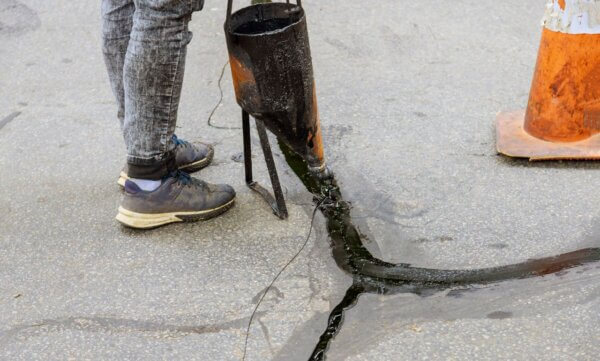
During the sealcoating process, it is essential to adopt practices that minimize waste and promote sustainability. One effective way to achieve this is by accurately measuring and calculating the required amount of sealant before starting the project. By carefully estimating the surface area to be covered and the appropriate thickness of the sealcoat, wastage can be significantly reduced. This method ensures that only the necessary amount of sealant is used, preventing excess material from being wasted.
Moreover, utilizing proper application techniques can further minimize waste during sealcoating. Applying the sealant in thin, even coats, and ensuring proper coverage eliminates the need for excessive reapplication and reduces the amount of material that goes unused. Additionally, using high-quality equipment and tools can help to achieve a more precise and controlled application, resulting in minimal spillage or overuse of the sealant. By implementing these strategies, it is possible to minimize waste and promote a more sustainable approach to sealcoating projects.
Eco-friendly Alternatives to Traditional Sealcoating Methods
Sealcoating is an essential process for maintaining and protecting asphalt surfaces, but traditional sealcoating methods often involve harmful chemicals and materials that can have a negative impact on the environment. Fortunately, there are several eco-friendly alternatives available that provide the same level of protection while minimizing the ecological footprint.
One popular alternative is water-based sealcoating. Unlike its oil-based counterpart, water-based sealcoating does not contain toxic solvents or volatile organic compounds (VOCs). Instead, it utilizes water as a carrier, making it safer for the environment and reducing air pollution during application. Water-based sealcoating is also easier to clean up, as any spills or overspray can simply be washed away with water rather than requiring harsh chemicals for removal.
The Role of Recycling in Sustainable Sealcoating
In the pursuit of sustainable sealcoating practices, recycling plays a pivotal role. By utilizing recycled materials, the environmental impact of the sealcoating process can be significantly reduced. One common method of recycling in sealcoating is the use of recycled asphalt pavement (RAP). RAP is made by grinding up old asphalt that has been removed from roads and parking lots. By incorporating RAP into new sealcoating mixes, less virgin asphalt needs to be mined, reducing energy consumption and greenhouse gas emissions.
Another important aspect of recycling in sustainable sealcoating is the recycling of sealcoat sealer itself. In some cases, used sealcoat can be reprocessed and used again in future sealcoating projects. This reduces waste and conserves resources, as less new sealcoat needs to be produced. Recycling sealcoat sealer can also help to reduce costs for contractors and customers, making sustainable sealcoating more accessible and economically viable. Overall, the role of recycling in sustainable sealcoating cannot be overstated, as it plays a vital role in minimizing waste and preserving our natural resources.
Best Practices for Applying Sustainable Sealcoating
Proper application techniques are essential when it comes to sustainable sealcoating. One of the best practices is to ensure the surface is clean and free from debris before applying the sealcoating material. This can be done by sweeping and power washing the area to remove any dirt, leaves, or other contaminants. Additionally, any cracks or potholes should be repaired beforehand to ensure a smooth and even surface. Taking the time to properly prepare the surface will not only result in better adhesion of the sealcoating material but also help to extend its lifespan.
Another important practice is to use the right amount of sealcoating material for the project. Applying too thin of a layer may not provide adequate protection, while applying too thick of a layer can lead to cracking and peeling. It is recommended to follow the manufacturer’s guidelines or consult with a professional to determine the appropriate amount of sealcoating material needed for the specific surface being coated. By applying the correct thickness, you can maximize the effectiveness of the sealcoating while minimizing waste.
Tips for Extending the Lifespan of Sealcoating
One effective way to extend the lifespan of sealcoating is to avoid parking heavy vehicles or equipment on freshly sealed surfaces. The weight and pressure from these vehicles can cause the sealcoating to crack or wear down more quickly, reducing its effectiveness and lifespan. Instead, designate a separate area for parking larger vehicles or equipment to minimize any damage to the sealcoating.
Regular cleaning and maintenance of the sealed surfaces is another important tip for prolonging the lifespan of sealcoating. Keep the surface free from dirt, debris, and other substances that may accumulate over time, as these can deteriorate the sealcoating. Sweeping the surface regularly and using a mild detergent for cleaning can help remove any contaminants without damaging the sealcoating. Additionally, promptly addressing any cracks or potholes that may appear in the sealcoating can prevent further damage and increase its longevity.
How long does sealcoating typically last?
Sealcoating can last anywhere from 2 to 5 years, depending on various factors such as weather conditions, traffic volume, and proper maintenance.
Can sealcoating be applied to any type of pavement?
Yes, sealcoating can be applied to various types of pavement surfaces, including asphalt and concrete.
Does sealcoating protect against cracks and potholes?
Yes, sealcoating acts as a protective layer that helps prevent cracks and potholes from forming on the pavement surface.
How often should sealcoating be applied?
It is generally recommended to reapply sealcoating every 2 to 3 years to maintain its effectiveness and prolong the lifespan of the pavement.
Are there any environmentally friendly sealcoating materials available?
Yes, there are environmentally friendly sealcoating materials available, such as water-based sealers and bio-based additives that reduce harmful emissions.
Can I sealcoat my pavement myself?
While DIY sealcoating is possible, it is recommended to hire professionals who have the necessary equipment and expertise to ensure proper application and maximize the lifespan of the sealcoating.
How can I minimize waste during sealcoating?
Minimizing waste during sealcoating can be achieved by accurately measuring the amount of sealcoat needed, properly storing and disposing of unused materials, and using eco-friendly application methods.
Is recycling involved in sustainable sealcoating practices?
Yes, recycling plays a role in sustainable sealcoating by reusing old or reclaimed asphalt pavement (RAP) during the manufacturing process of new sealcoating materials.
Are there any alternatives to traditional sealcoating methods?
Yes, there are eco-friendly alternatives to traditional sealcoating methods, such as permeable pavement systems that allow water to drain through the surface, reducing runoff and promoting groundwater recharge.
How can I extend the lifespan of sealcoating?
To extend the lifespan of sealcoating, it is important to regularly clean the pavement surface, promptly repair any cracks or damage, avoid heavy vehicle traffic, and practice proper maintenance techniques such as regular sweeping and sealcoat reapplication.

