
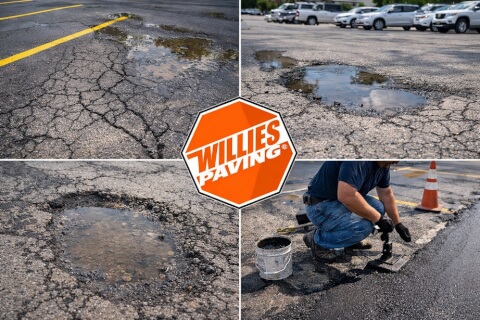
A parking lot is often the first thing people see when they visit your property. If it looks worn or unsafe, it leaves a poor impression. More important, damaged pavement creates safety risks and leads to higher repair costs over time.
Many property owners wait too long before calling a Parking Lot Repair Contractor. Small problems grow fast. Early action protects your investment and avoids major repairs later.
Here are clear signs that it’s time to make the call.
1. Cracks Are Spreading Across the Surface
Small cracks may not seem urgent. They look minor at first. Thin lines form and slowly widen.
Cracks allow water to seep below the surface. Once water reaches the base, it weakens support. Traffic pressure makes the cracks expand. In cold weather, freezing water pushes them apart even more.
If you notice long cracks, spiderweb patterns, or gaps wider than a quarter inch, call a Parking Lot Repair Contractor. Crack sealing now costs far less than full-depth patching later.
2. Potholes Are Forming
Potholes signal deeper damage. They form when water enters cracks, softens the base, and traffic breaks the surface apart.
Potholes grow quickly. What starts small can double in size within weeks. They damage vehicles and create trip hazards for pedestrians.
A professional contractor removes damaged material and restores a solid base before patching. Quick surface fixes rarely last.
If you see even one pothole, it is time to schedule repairs.
3. Water Is Pooling After Rain
Standing water is never a good sign. It means the surface is uneven or drainage has failed.
Water weakens asphalt over time. It seeps into cracks and soft spots. Heavy traffic then breaks down those areas faster.
After a rainstorm, walk your lot. If water remains in the same spots hours later, you likely need grading corrections or surface leveling. A Parking Lot Repair Contractor can fix drainage before it leads to major failure.
4. Faded Surface and Loose Aggregate
Asphalt should have a rich, dark color. When it fades to gray, the surface is drying out. Sun exposure breaks down the binder that holds the material together.
You may also notice small stones coming loose. That means the surface layer is wearing thin.
Sealcoating or resurfacing at the right time extends pavement life. Waiting too long leads to structural damage.
5. Alligator Cracking Appears
Alligator cracking looks like a series of small, connected cracks that resemble reptile skin. This pattern signals base failure.
Surface sealing will not fix it. The damaged section must be removed and rebuilt.
When you see this type of cracking, contact a Parking Lot Repair Contractor right away. Ignoring it allows the damaged area to spread under traffic.
6. Edges Are Crumbling
Parking lot edges often break down first. Vehicles driving too close to the side stress unsupported areas.
Crumbling edges allow water to enter from the sides. Once erosion begins, it spreads inward.
Edge repair protects the rest of the lot. Reinforcing and patching these areas prevents wider failure.
7. Uneven or Sunken Areas
Low spots, dips, and uneven surfaces create hazards. They collect water and cause vehicles to shift while driving.
Sunken areas usually mean the base beneath the asphalt has settled or washed away.
A qualified Parking Lot Repair Contractor can assess whether the issue requires patching, leveling, or deeper reconstruction.
8. Oil and Chemical Damage
Parking lots handle constant vehicle traffic. Oil, fuel, and fluid leaks are common.
Over time, these chemicals soften asphalt. The surface becomes sticky or weak in certain spots.
If you see soft patches or surface breakdown near parking spaces, repairs are needed. Protective treatments can prevent further damage once repairs are complete.
9. Parking Lines Are Hard to See
Faded striping is more than a cosmetic issue. Clear lines guide traffic and keep parking organized.
When lines fade, confusion increases. Poor visibility can lead to accidents and complaints.
After repairs or sealcoating, restriping improves safety and appearance. A Parking Lot Repair Contractor can include fresh striping as part of the service.
10. Complaints From Tenants or Visitors
Pay attention to feedback. If tenants mention rough driving conditions or customers complain about potholes, do not ignore it.
A damaged parking lot affects daily use. It reflects poorly on the property and may push tenants to look elsewhere.
Taking action shows that maintenance is a priority.
11. Rising Maintenance Costs
Frequent small fixes add up. Temporary patches and quick repairs may seem cheaper, but they rarely last.
If you keep paying for repeat fixes in the same areas, the pavement likely needs proper repair or resurfacing.
A trusted Parking Lot Repair Contractor can inspect the lot and recommend a long-term solution. That approach saves money over time.
12. The Lot Is 15–20 Years Old
Asphalt does not last forever. Most parking lots last 15 to 20 years with proper care.
If your lot is nearing that age and showing wear, a professional evaluation makes sense. You may need resurfacing rather than spot repairs.
Planning ahead helps you budget and avoid sudden failure.
13. Safety Risks Are Increasing
Safety should never be ignored. Uneven pavement, deep cracks, and potholes create real hazards.
Trip-and-fall injuries lead to liability issues. Vehicle damage claims cost time and money.
Calling a Parking Lot Repair Contractor reduces risk. Prompt repairs protect both people and property.
What a Parking Lot Repair Contractor Will Do
A professional inspection looks beyond surface damage. Contractors check drainage, base stability, traffic patterns, and overall condition.
They may recommend:
- Crack sealing
- Pothole patching
- Surface leveling
- Sealcoating
- Milling and resurfacing
- Full-depth reconstruction
Each solution fits a different level of damage. The goal is to restore strength and extend pavement life.
Why Acting Early Matters
Waiting rarely saves money. Small cracks become potholes. Drainage issues turn into structural problems.
Early repairs cost less and last longer. They also reduce disruption for tenants and visitors.
Routine inspections and scheduled maintenance keep your parking lot in good condition year-round.
Choosing the Right Parking Lot Repair Contractor
Not all contractors offer the same quality. Look for:
- Experience with commercial properties
- Clear repair plans
- Proper equipment
- Honest pricing
- Strong local references
Ask about timelines and traffic management during repairs. A reliable contractor will explain the process clearly and answer your questions.
Final Thoughts
A damaged parking lot does not fix itself. Warning signs appear early. Cracks spread. Water pools. Potholes form.
Calling a Parking Lot Repair Contractor at the right time prevents costly reconstruction later. It improves safety, protects your investment, and keeps your property looking well maintained.
Inspect your lot regularly. Address problems while they are still small. Smart maintenance today prevents major repairs tomorrow.

