
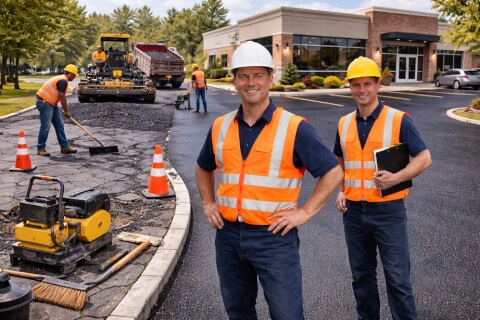
Managing a property means keeping every part in good shape. The parking lot is one of the most important areas. It affects safety, traffic flow, and first impressions.
Parking lot paving is not just about laying asphalt. It is about building a surface that lasts, looks clean, and works well every day. This blog explains what property managers need to know to get the best results.
Why Parking Lot Paving Matters
Your parking lot is often the first thing people see. Cracks, potholes, and faded lines create a poor image. They also create safety risks.
A well-paved lot:
- Improves appearance
- Reduces accidents
- Supports smooth traffic flow
Good Parking Lot Paving helps protect both your property and the people who use it.
Planning Your Parking Lot Paving Project
Strong results start with planning.
Before paving begins, review:
- Current pavement condition
- Traffic levels
- Drainage
- Budget
Some lots need full replacement. Others only need resurfacing. A proper inspection helps you choose the right approach.
Timing also matters. Plan paving during warm, dry weather. Work around peak hours to reduce disruption.
The Importance of a Strong Base
The base supports the entire parking lot. If the base fails, the asphalt fails.
A proper base includes:
- Grading for even support
- Compacted stone
- Good drainage
Skipping base work leads to cracks and sinking. Good Parking Lot Paving always starts below the surface.
Choosing the Right Asphalt Thickness
Not all parking lots need the same thickness.
Light-use areas need less asphalt. Heavy-use zones, like loading areas, need more strength.
Thin pavement may save money at first, but it wears out faster. Proper thickness extends the life of your parking lot.
Drainage Is Critical
Water causes most asphalt damage.
Poor drainage leads to:
- Standing water
- Cracks
- Base failure
Your lot should guide water away from the surface. Drains must stay clear and working.
Good Parking Lot Paving always includes proper drainage planning.
The Parking Lot Paving Process
Understanding the process helps you manage the project.
Site Preparation
Old asphalt may be removed. The area is graded and cleaned.
Base Installation
A strong base is placed and compacted.
Asphalt Placement
Hot asphalt is spread evenly across the surface.
Compaction
Rollers compress the asphalt for strength and smoothness.
Final Checks
Edges are cleaned. The surface is inspected.
Each step matters. Skipping steps leads to early damage.
What to Expect After Paving
New asphalt needs time to set.
After Parking Lot Paving:
- Keep vehicles off for 24 to 48 hours
- Avoid heavy loads at first
- Limit sharp turns
Proper curing helps the surface last longer.
Line Striping and Layout
Line striping is part of the paving process.
Clear markings:
- Improve traffic flow
- Increase safety
- Maximize parking space
Faded lines should be repainted as needed. A well-marked lot is easier to use and safer.
Maintenance Keeps Costs Down
Parking lot paving is not a one-time job. Maintenance is key.
Routine care includes:
- Crack sealing
- Pothole repair
- Sealcoating
- Cleaning debris
Small repairs prevent larger problems. Maintenance extends the life of your pavement.
Sealcoating for Protection
Sealcoating protects asphalt from sun, water, and chemicals.
Benefits include:
- Slower wear
- Better appearance
- Longer lifespan
Most lots need sealcoating every 2 to 3 years. This step reduces long-term repair costs.
Signs Your Parking Lot Needs Repair
Watch for early warning signs:
- Cracks spreading
- Potholes forming
- Fading color
- Water pooling
Fixing these issues early keeps costs low and prevents major damage.
Budgeting for Parking Lot Paving
Smart budgeting helps avoid large expenses.
Plan for:
- Regular inspections
- Scheduled maintenance
- Future resurfacing
Spreading costs over time is easier than paying for full replacement at once.
Reducing Disruption During Paving
Paving work can affect tenants and customers. Planning helps reduce impact.
You can:
- Schedule work in stages
- Use off-peak hours
- Provide clear signs
- Inform tenants in advance
Good communication keeps operations running smoothly.
Choosing the Right Contractor
The right contractor makes a big difference.
Look for:
- Experience with Parking Lot Paving
- Clear estimates
- Proper equipment
- Good communication
Avoid choosing only by price. Low bids often lead to poor results.
How Parking Lot Paving Adds Value
A well-paved lot improves your property.
Benefits include:
- Better appearance
- Safer conditions
- Higher property value
Tenants and customers notice clean, smooth pavement. It reflects well on your property.
Common Mistakes to Avoid
Avoid these common errors:
- Ignoring small cracks
- Skipping maintenance
- Choosing cheap work
- Overlooking drainage
- Delaying repairs
These mistakes lead to higher costs over time.
Final Thoughts
Parking lot paving plays a key role in property management. It affects safety, cost, and daily use.
Good planning, strong materials, and regular maintenance lead to long-lasting results. Taking care of your pavement now saves money later.
At Willie’s Paving, we provide reliable Parking Lot Paving services built for durability and performance. From new installations to ongoing care, we focus on quality work that stands the test of time.
A well-maintained parking lot is more than pavement. It is a smart investment.

