
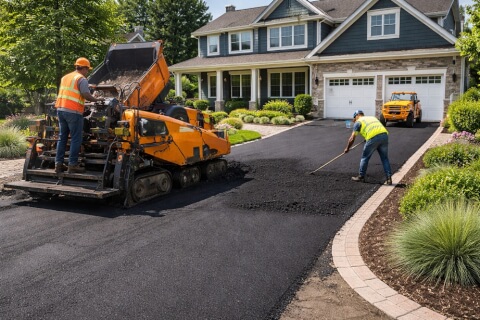
Your driveway plays a big role in how your home looks and works. It supports daily traffic, handles weather, and adds curb appeal. When problems appear or a new driveway is needed, a Residential Paving Contractor is the professional who handles the job.
Many homeowners are not sure what these contractors actually do. This guide explains the work they perform, the services they offer, and why hiring the right contractor matters.
What Is a Residential Paving Contractor?
A Residential Paving Contractor installs, repairs, and maintains paved surfaces around homes. Their main focus is driveways, private roads, walkways, and parking areas on residential properties.
They work with materials such as:
- Asphalt
- Concrete
- Gravel bases
- Sealcoating materials
The goal is simple: build a smooth, strong surface that lasts for many years.
Companies like Willie’s Paving handle every step of the project, from preparing the ground to finishing the final surface.
Main Services a Residential Paving Contractor Provides
Residential paving involves more than pouring asphalt or concrete. Contractors manage several steps to make sure the surface holds up under daily use.
Driveway Installation
One of the most common services is installing a new driveway.
This process usually includes:
- Clearing old pavement or soil
- Preparing the base layer
- Adding gravel or stone foundation
- Installing asphalt or concrete
- Compacting and finishing the surface
The base layer is critical. A weak base leads to cracks and sinking later.
A skilled Residential Paving Contractor takes time to prepare the foundation before placing the surface material.
Driveway Replacement
Some driveways reach the end of their lifespan. When damage spreads across the surface, repairs may not be enough.
In these cases, contractors remove the old pavement and build a new driveway from the base up.
Replacement often improves:
- Drainage
- Surface strength
- Property appearance
A new driveway also boosts curb appeal and property value.
Driveway Repairs
Small issues often appear long before full replacement is needed.
Common repair services include:
- Crack filling
- Pothole patching
- Surface leveling
- Edge repair
Fixing these problems early prevents deeper damage.
Water entering cracks can weaken the base layer. Once that happens, repairs become more expensive.
Asphalt Resurfacing
Resurfacing is a solution when the base of the driveway is still strong but the top layer is worn.
The contractor adds a new asphalt layer over the existing surface.
This process:
- Restores smoothness
- Covers cracks and rough spots
- Extends driveway life
Resurfacing costs less than full replacement while still improving appearance and durability.
Sealcoating Services
Sealcoating protects asphalt driveways from weather and wear.
Over time, sunlight, rain, and chemicals break down the surface. Sealcoating adds a protective layer that slows this damage.
Benefits of sealcoating include:
- Protects against moisture
- Reduces cracking
- Improves appearance
- Extends pavement life
Most driveways benefit from sealcoating every few years.
How Residential Paving Projects Work
Homeowners often want to know what happens during a paving project. A Residential Paving Contractor follows a clear process to ensure quality results.
1. Property Inspection
The first step is inspecting the driveway or paving area.
The contractor checks:
- Ground condition
- Drainage patterns
- Existing pavement damage
- Space layout
This inspection helps determine whether repairs, resurfacing, or replacement is the best option.
2. Project Planning
Once the inspection is complete, the contractor plans the project.
This includes:
- Measuring the paving area
- Choosing materials
- Calculating base thickness
- Scheduling the work
A clear plan prevents delays and ensures the project runs smoothly.
3. Site Preparation
Preparation is one of the most important parts of paving.
The crew may:
- Remove old pavement
- Grade the soil
- Install gravel or crushed stone
- Compact the base layer
Proper preparation creates a stable surface that can handle vehicle weight.
Skipping this step leads to future problems.
4. Material Installation
Once the base is ready, the surface material is installed.
For asphalt driveways, the crew spreads hot asphalt evenly across the base. Heavy rollers compress the material to create a smooth surface.
For concrete driveways, the mixture is poured and shaped before curing.
Both methods require skill and proper timing.
5. Final Finishing
The last step involves finishing touches.
Contractors may:
- Smooth the edges
- Ensure proper drainage slope
- Clean the work area
After installation, the driveway must cure before vehicles drive on it.
Why Hiring a Professional Residential Paving Contractor Matters
Some homeowners consider doing driveway work themselves. Paving looks simple, but it requires the right equipment and knowledge.
Hiring a professional Residential Paving Contractor offers several advantages.
Proper Equipment
Paving requires specialized machines such as:
- Asphalt pavers
- Compaction rollers
- Grading equipment
Professional contractors bring the tools needed for a smooth and durable finish.
Experience with Ground Conditions
Soil type and drainage affect driveway performance.
Experienced contractors understand how to prepare the base for local conditions. This helps prevent sinking or cracking later.
Long-Lasting Results
Professional installation extends the life of your driveway.
A well-built asphalt driveway can last 15 to 20 years with proper care.
Poor installation may fail in only a few years.
Safety and Efficiency
Paving involves heavy equipment and hot materials. Professional crews follow safety practices that protect workers and property.
They also complete projects faster than DIY work.
Signs You Need a Residential Paving Contractor
Driveways often show warning signs before serious damage appears.
Common signs include:
- Widespread cracking
- Large potholes
- Water pooling on the surface
- Uneven pavement
- Faded or rough asphalt
When these issues appear, contacting a Residential Paving Contractor can prevent further damage.
How to Choose the Right Residential Paving Contractor
Not all contractors provide the same level of service. Choosing the right one helps ensure a quality result.
Look for contractors who:
- Have strong local experience
- Provide clear estimates
- Offer references from past projects
- Use quality materials
A trusted company like Willie’s Paving focuses on proper preparation and long-lasting work.
Maintenance Tips After Paving
Once your driveway is installed, simple maintenance keeps it in good condition.
Homeowners should:
- Sealcoat asphalt every few years
- Repair small cracks early
- Keep the surface clean
- Avoid heavy loads during hot weather
Regular care helps extend the life of the pavement.
Final Thoughts
A driveway may seem like a simple part of your property, but it plays a major role in daily life. It supports vehicles, improves curb appeal, and adds value to your home.
A Residential Paving Contractor handles everything needed to build and maintain that surface. From preparing the base to finishing the pavement, their work ensures durability and safety.
If your driveway shows damage or you plan to install a new one, working with an experienced contractor is the best step. Companies like Willie’s Paving provide the knowledge and equipment needed to deliver a strong, reliable driveway that lasts for years.

