
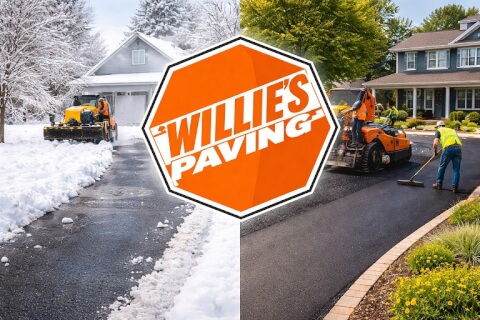
A paving project may look simple on the surface. Yet many things affect how well a driveway or walkway holds up over time. One of the biggest factors is local weather. Temperature swings, rain, snow, and sun all affect how pavement performs.
Homeowners often focus on design, color, or cost. Those things matter. But Local Climate should always guide the planning process. Climate affects the materials used, the timing of the project, and the long-term maintenance plan.
At Willie’s Paving, climate conditions are always part of the discussion before work begins. The right plan today prevents costly repairs later.
This blog explains how Local Climate affects residential paving and what homeowners should know before starting a project.
Why Local Climate Matters in Residential Paving
Pavement is strong, but it reacts to the environment. Heat makes asphalt softer. Cold temperatures make it brittle. Water can seep into cracks and weaken the base.
These effects build up over time.
A driveway built without climate considerations may crack, fade, or sink earlier than expected. The right approach helps pavement last much longer.
Key climate factors include:
- Temperature changes
- Rain and moisture levels
- Snow and ice exposure
- Sun and UV exposure
- Soil moisture and drainage
Each one affects how pavement performs.
Temperature Changes and Pavement Expansion
Temperature swings cause pavement to expand and contract. This movement may seem small, but over time it leads to cracking.
Hot weather softens asphalt. In extreme heat, pavement may become flexible. Heavy vehicles can leave dents or marks if the surface becomes too soft.
Cold weather has the opposite effect. Asphalt becomes firm and less flexible. That stiffness increases the chance of cracks forming.
In areas with wide temperature swings, contractors often:
- Use asphalt mixes built for local conditions
- Install strong base layers
- Allow proper curing time
These steps help pavement handle expansion and contraction.
Rain and Water Drainage
Water is one of pavement’s biggest enemies.
Rain may seem harmless, but water can slowly weaken the foundation beneath asphalt or concrete. When water sits on a driveway surface, it finds small openings. Over time, it moves below the pavement.
This can lead to:
- Cracks
- Potholes
- Surface erosion
- Base failure
Good drainage prevents these problems.
A professional paving contractor plans for water movement before laying asphalt. This includes:
- Correct slope design
- Proper grading
- Drainage paths for runoff
At Willie’s Paving, drainage planning is always part of the installation process.
Freeze and Thaw Cycles
Cold climates bring a unique problem called the freeze-thaw cycle.
Water enters small cracks in the pavement. When temperatures drop, that water freezes. Frozen water expands and pushes against the pavement.
When temperatures rise, the ice melts and leaves gaps behind.
This process repeats many times during winter. Each cycle weakens the surface a little more.
Eventually, cracks widen and potholes appear.
Contractors handle this risk by:
- Installing a strong base layer
- Compacting soil properly
- Sealing the pavement surface
Sealcoating is especially helpful in areas with freezing winters.
Sun Exposure and UV Damage
Sunlight affects pavement in ways many homeowners do not expect.
Strong UV rays slowly break down asphalt binders. Over time, the surface becomes dry and brittle. That leads to fading and cracks.
Driveways that receive full sun all day often wear faster than shaded surfaces.
Signs of sun damage include:
- Gray or faded asphalt
- Surface dryness
- Fine cracking
Regular sealcoating helps protect pavement from UV damage. The seal layer blocks sunlight and keeps the surface flexible.
Soil Conditions and Moisture
Local climate also affects the soil beneath pavement.
Heavy rain or poor drainage can saturate the ground. Wet soil loses strength and may shift under pressure.
This leads to uneven pavement surfaces.
Common problems caused by weak soil include:
- Sinking driveways
- Surface dips
- Cracks along edges
Proper base preparation helps prevent these issues.
Before paving begins, contractors evaluate soil stability and moisture levels. If needed, they add a thicker stone base to support the surface.
Best Seasons for Residential Paving Projects
Weather conditions affect when paving work should take place.
Most residential paving happens during warmer months. Asphalt requires heat to compact and bond properly.
Ideal paving conditions include:
- Mild temperatures
- Low humidity
- Dry ground conditions
Spring and summer often provide the best weather for paving projects.
Fall can also work well if temperatures remain moderate. Cold winter conditions usually delay paving work.
Scheduling the project during the right season helps ensure a smooth installation and long-lasting results.
How Local Climate Affects Asphalt vs Concrete
Both asphalt and concrete are common paving materials. Climate plays a role in deciding which one works best.
Asphalt in Different Climates
Asphalt performs well in colder climates because it stays flexible. That flexibility helps it handle freeze-thaw cycles better than rigid materials.
It also handles temperature changes well when properly installed.
However, asphalt can soften in extreme heat. Regular maintenance helps protect it from sun damage.
Concrete in Different Climates
Concrete works well in warm areas with stable temperatures. It reflects sunlight and handles heat better than asphalt.
In colder climates, concrete may crack if freeze-thaw cycles occur frequently.
This does not mean concrete is unsuitable for cold regions. It simply requires careful installation and expansion joints.
A contractor helps homeowners choose the right material based on Local Climate conditions.
Maintenance Plans Based on Climate
Pavement maintenance should match local weather patterns.
Different climates require different care schedules.
Warm Climate Maintenance
Hot regions require protection from sun damage.
Maintenance steps include:
- Sealcoating every few years
- Surface cleaning
- Crack repair
These steps prevent UV damage and surface drying.
Cold Climate Maintenance
Cold climates need protection from moisture and freezing.
Maintenance may include:
- Crack sealing before winter
- Snow removal using safe tools
- Regular inspections after winter
These steps help prevent freeze-thaw damage.
Signs Your Driveway Is Struggling With Climate Stress
Homeowners should watch for early warning signs.
These problems often appear when pavement struggles with local weather conditions.
Look for:
- Small cracks spreading across the surface
- Potholes after heavy rain
- Water pooling on the driveway
- Surface fading or rough texture
- Edges breaking apart
Early repairs stop these problems from growing worse.
Ignoring them usually leads to larger and more expensive repairs.
Planning a Climate-Friendly Paving Project
The best paving projects begin with proper planning.
Contractors consider climate before selecting materials or starting work.
Key planning steps include:
- Evaluating soil and drainage
- Choosing the right paving material
- Planning slopes for water runoff
- Scheduling work during the best weather
- Creating a long-term maintenance plan
These steps help pavement survive years of weather exposure.
At Willie’s Paving, every project begins with a site inspection. This helps ensure the driveway design matches the local conditions.
The Role of Professional Paving Contractors
Some homeowners attempt small paving repairs themselves. Yet large paving projects require experience and proper equipment.
Professional contractors understand how climate affects pavement performance.
They know how to:
- Prepare the base correctly
- Choose proper asphalt mixes
- Design drainage systems
- Install pavement at the right temperature
These details make a major difference in durability.
A well-installed driveway can last decades when climate factors are considered.
Long-Term Benefits of Climate-Aware Paving
When climate conditions guide the paving process, homeowners see clear benefits.
These include:
- Longer pavement lifespan
- Fewer repairs
- Lower maintenance costs
- Better appearance
- Stronger resistance to weather damage
Ignoring climate conditions often leads to early pavement failure.
Planning for the environment from the start saves time and money later.
Why Homeowners Trust Willie’s Paving
Residential paving requires more than just laying asphalt. It requires understanding the conditions that affect pavement every day.
At Willie’s Paving, each project begins with careful planning. Local weather patterns, soil conditions, and drainage needs are all reviewed before work starts.
This approach helps ensure every driveway is built to last.
Homeowners receive:
- Proper site preparation
- Quality paving materials
- Professional installation
- Maintenance advice for long-term care
These steps create strong, durable driveways that perform well in any Local Climate.
Final Thoughts
Weather affects every paved surface. Heat, rain, snow, and sunlight all shape how pavement ages.
Understanding Local Climate helps homeowners make better decisions before starting a paving project.
The right materials, installation methods, and maintenance plan can protect a driveway for many years.
Before beginning your next paving project, speak with a trusted contractor who understands local weather conditions.
With the right planning and expert work from Willie’s Paving, your residential pavement can handle the challenges of your climate and stay strong for years to come.

