
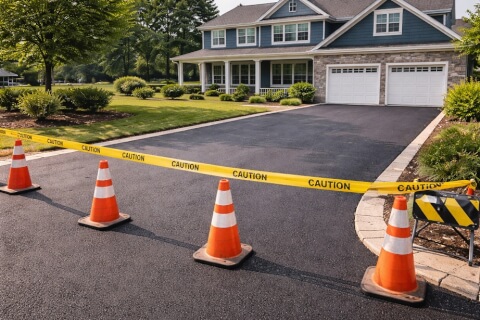
A fresh driveway looks great the moment it’s finished. The surface is smooth, dark, and clean. It feels ready to use right away. But looks can be misleading.
A Newly Paved Driveway needs time to set and harden. Driving on it too soon can cause marks, dents, or long-term damage. Waiting the right amount of time protects your investment and helps the surface last longer.
At Willie’s Paving, homeowners are always guided on when and how to use their driveway after installation. This blog explains how long to wait and what to expect during the curing process.
Why You Should Stay Off a Newly Paved Driveway
Asphalt does not fully harden the moment it is installed. It cools quickly, but curing takes much longer.
Driving on it too soon can lead to:
- Tire marks
- Surface dents
- Weak spots
- Early wear
The top layer may look solid, but the material underneath is still soft.
Giving your newly paved driveway time to cure helps it gain full strength.
How Long Should You Wait Before Driving on It?
Most contractors recommend waiting at least 24 to 48 hours before driving on a new asphalt driveway.
This waiting period allows the surface to cool and set.
General Guidelines
- Light vehicles: Wait 24–48 hours
- Heavy vehicles: Wait 3–7 days
- Sharp turns: Avoid for at least a week
These timeframes may change depending on weather conditions and asphalt thickness.
At Willie’s Paving, each project comes with clear instructions based on local conditions.
Why Curing Takes Longer Than You Think
Even after the initial waiting period, asphalt continues to cure for months.
During this time:
- The surface slowly hardens
- Oils in the asphalt settle
- Strength improves
Full curing can take up to 6 to 12 months.
This does not mean you cannot use your driveway. It simply means you should treat it carefully during this period.
Factors That Affect Curing Time
Not all driveways cure at the same rate. Several factors affect how quickly your newly paved driveway becomes fully stable.
Weather Conditions
Temperature plays a big role.
- Warm weather helps asphalt cure faster
- Cold weather slows the process
Rain can also delay curing if it occurs right after installation.
Sun Exposure
Direct sunlight helps the surface dry and harden faster.
Shaded areas may take longer to cure.
Thickness of Asphalt
Thicker layers take longer to set.
Driveways built for heavier use may need more curing time.
Traffic Load
The more weight placed on the driveway, the more stress it faces during curing.
Light use is fine after the initial waiting period. Heavy use should be limited early on.
What Happens If You Use It Too Soon
Using a newly paved driveway too early can cause damage that stays visible.
Common issues include:
- Tire indentations
- Scuff marks
- Surface shifting
- Uneven areas
These marks may not go away on their own.
In some cases, repairs are needed to fix the damage.
Tips to Protect Your Newly Paved Driveway
After the waiting period, you can start using your driveway carefully.
Follow these simple tips to protect it.
Avoid Parking in the Same Spot
Parking in one place for long periods can create pressure points.
Try to:
- Change parking positions
- Spread out vehicle weight
This prevents dents during the early curing stage.
Be Careful with Turning Wheels
Sharp turns can scuff the surface.
When parking or leaving:
- Turn the steering wheel slowly
- Avoid turning while the car is still
This reduces surface stress.
Keep Heavy Vehicles Off
Large trucks or heavy equipment can damage the surface early on.
Avoid:
- Delivery trucks
- Moving vans
- Construction vehicles
Wait until the driveway fully strengthens.
Watch for Oil and Fluid Leaks
Oil and chemicals can weaken asphalt.
Clean any spills quickly to prevent damage.
When Can You Sealcoat a Newly Paved Driveway?
Sealcoating protects the surface, but it should not be done right away.
Most experts recommend waiting 6 to 12 months before sealcoating.
This allows the asphalt to fully cure and bond properly with the sealcoat.
Applying it too soon can trap oils and reduce effectiveness.
At Willie’s Paving, homeowners receive guidance on the right timing for sealcoating.
How to Tell If Your Driveway Is Fully Cured
You may not notice the curing process day by day, but there are signs.
A fully cured newly paved driveway will:
- Feel firm under pressure
- Resist marks and dents
- Maintain a consistent surface
The color may also fade slightly from deep black to a softer tone over time.
Common Myths About New Driveways
Some homeowners believe a driveway is ready as soon as it looks finished.
This is not true.
Myth: It’s Ready Once It Looks Dry
The surface may look dry within hours, but the material underneath is still soft.
Myth: Waiting One Day Is Enough for All Use
Light use may be fine after 24 hours, but heavy use needs more time.
Myth: Sealcoating Should Be Done Right Away
Sealcoating too early can cause problems. Waiting is always better.
Why Professional Guidance Matters
Every driveway is different.
A professional contractor provides instructions based on:
- Weather conditions
- Asphalt thickness
- Project size
At Willie’s Paving, homeowners receive clear guidance after installation.
This helps avoid mistakes that shorten the life of the driveway.
Long-Term Care After Installation
A newly paved driveway needs ongoing care.
Simple steps help maintain its condition.
Homeowners should:
- Sealcoat every few years
- Repair small cracks early
- Keep the surface clean
- Avoid heavy loads during hot weather
Regular maintenance extends the life of the driveway.
Signs of Early Damage to Watch For
Keep an eye on your driveway in the first few months.
Watch for:
- Deep tire marks
- Cracks forming early
- Soft spots
- Surface unevenness
If you notice any of these, contact your contractor for advice.
Early action prevents bigger problems.
Why Homeowners Trust Willie’s Paving
A driveway is an investment. Proper installation and aftercare make a big difference.
At Willie’s Paving, every project includes clear instructions for post-installation care.
Homeowners get:
- Professional installation
- Proper curing guidance
- Long-term maintenance tips
This approach helps ensure strong, lasting results.
Final Thoughts
A newly paved driveway needs time to settle and gain strength. Waiting at least 24 to 48 hours before driving is important. Taking extra care during the first few weeks protects the surface even more.
Curing continues for months, so gentle use and proper maintenance are key.
Rushing to use the driveway too soon often leads to marks and damage that could have been avoided.
With the right timing and guidance from Willie’s Paving, your driveway will stay smooth, strong, and reliable for years.

