
The Importance of Regular Maintenance for Asphalt Surfaces
To ensure the longevity and durability of asphalt surfaces, regular maintenance is of utmost importance. Routine upkeep helps to prevent major damage and costly repairs down the line. Without regular maintenance, the surface can deteriorate quickly, leading to cracks, potholes, and unevenness.
One key benefit of regular maintenance is the ability to identify and address minor issues before they escalate. By inspecting the surface regularly, any signs of damage, such as cracks or surface wear, can be detected early on. Timely repairs can then be carried out, preventing further deterioration and extending the lifespan of the asphalt surface. Additionally, regular maintenance helps to maintain the appearance of the surface, keeping it clean and free from debris, which enhances the overall aesthetic appeal. Overall, investing time and resources into regular maintenance pays off in the long run by ensuring the durability and functionality of asphalt surfaces.
Factors to Consider When Deciding Between Sealcoating Vs. Repaving
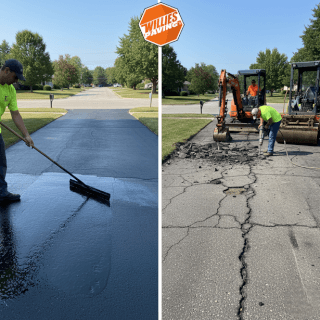
Sealcoating vs. repaving are two common options when it comes to maintaining asphalt surfaces. Before making a decision, there are several factors that need to be considered. One important factor is the overall condition of the asphalt. If the surface is showing signs of extensive damage such as deep cracks, potholes, or severe wear, repaving may be the more appropriate choice. Sealcoating, on the other hand, is a preventative measure that can help protect the asphalt from future damage caused by UV rays, oil spills, and water penetration. It is typically recommended for surfaces that are in relatively good condition but could benefit from added protection and enhanced aesthetics.
Another factor to consider is the budget. Repaving an entire surface is a more costly endeavor compared to sealcoating. Although sealcoating is generally a more affordable option, it is important to remember that it is a temporary solution that needs to be re-applied every few years. Therefore, the long-term costs of sealcoating should be taken into account when making a decision. Additionally, the time frame should be considered. Sealcoating is a relatively quick process that can be completed within a day or two, depending on the size of the surface. Repaving, however, requires more time and can disrupt traffic flow during the construction period.
Assessing the Condition of Your Asphalt: Signs it’s Time for Maintenance
When it comes to asphalt maintenance, it’s important to assess the condition of your asphalt regularly to determine if it’s time for maintenance. One telltale sign that your asphalt is in need of maintenance is the appearance of cracks. As asphalt surfaces age, they are prone to developing small cracks, which can eventually expand and lead to more serious damages if left unrepaired. Therefore, if you notice any cracks on your asphalt surface, it’s a clear indication that it’s time for maintenance.
Another sign that your asphalt is in need of maintenance is the presence of potholes. Potholes can be not only unsightly but also hazardous for motorists and pedestrians. They can form due to the effects of weathering, heavy traffic, or even improper installation. If you come across any potholes on your asphalt surface, it’s crucial to address them promptly to prevent further damage and ensure the safety of everyone using the area.
Benefits of Sealcoating: Extending the Life of Your Asphalt Surface
Sealcoating is an essential maintenance practice that can greatly extend the life of your asphalt surface. By applying a protective layer over the existing pavement, sealcoating acts as a barrier against harsh weather conditions, UV rays, and everyday wear and tear. One of the main benefits of sealcoating is that it helps prevent water from seeping into the asphalt and causing cracks or potholes. This is especially important in regions with extreme temperature fluctuations, as moisture infiltration can lead to freeze-thaw damage. Additionally, sealcoating gives your asphalt a fresh, black appearance, enhancing its aesthetic appeal and improving the overall curb appeal of your property.
Another advantage of sealcoating is its ability to protect against oxidation and degradation caused by exposure to sun and air. Over time, the asphalt binder in your pavement can become brittle and begin to break down, resulting in cracks and deterioration. Sealcoating acts as a shield, preventing oxidation from occurring and preserving the flexibility and integrity of the asphalt. This not only prolongs the life of your surface, but also reduces the need for costly repairs or resurfacing. By investing in regular sealcoating, you can save money in the long run and ensure that your asphalt remains strong and durable for years to come.
Understanding the Process of Sealcoating: What to Expect
Sealcoating is a vital maintenance activity that is performed on asphalt surfaces to protect and enhance their longevity. When preparing for sealcoating, the first step involves thorough cleaning of the surface using power washing or mechanical sweepers. This ensures that any debris, dirt, or loose materials are removed, allowing for better adhesion of the sealant.
Once the surface is clean and dry, the next step is to patch any damaged areas, such as cracks or potholes, with a suitable asphalt patching material. This ensures that the surface is smooth and even before the sealcoating is applied. After patching, a primer may be applied to aid in adhesion, particularly if the asphalt has been previously sealed. Finally, the sealcoating material is carefully spread over the surface using squeegees or sprayers, creating a protective layer that shields the asphalt from the damaging effects of weathering, UV rays, and traffic. The sealcoating typically takes some time to dry and cure, so it is essential to avoid any traffic on the surface until it has fully hardened.
When Repaving is Necessary: Signs Your Asphalt Needs a Full Replacement
Repaving an asphalt surface is a significant investment that should be undertaken only when necessary. While regular maintenance and sealcoating can help extend the lifespan of asphalt, there are certain signs that indicate the need for a full replacement. One such sign is extensive cracking and deterioration. If your asphalt surface has multiple deep cracks that are interconnected, it may be an indicator of structural damage. Similarly, if you notice alligator cracking, which resembles the texture of alligator scales, this indicates a weakened base layer and could require complete repaving to prevent further deterioration. Another sign to look out for is potholes.
Additionally, the condition of the underlying subbase should be considered when determining if repaving is necessary. If you notice sinking or unevenness in your asphalt surface, it could be an indication of a compromised subbase. This can occur due to water infiltration, which weakens the base layer, resulting in an unstable pavement. In such cases, repaving would be required to address the subsurface issues and provide a stable foundation for the new asphalt. Furthermore, if your asphalt surface has reached its maximum lifespan, which is typically around 20 to 30 years with proper maintenance, it may be time for a full replacement.
Cost Considerations: Comparing the Expenses of Sealcoating Vs. Repaving
Sealcoating vs. repaving are both viable options for maintaining asphalt surfaces, but they come with different costs. When considering the expenses, it’s important to take a few factors into account. Firstly, sealcoating tends to be more cost-effective in the short term. The process involves applying a protective layer to the asphalt, which helps to prevent cracks, potholes, and other forms of damage. By doing so, sealcoating can help extend the lifespan of the asphalt surface, reducing the need for more extensive repairs or repaving in the future. Repaving, on the other hand, is a more significant undertaking and typically involves removing the existing asphalt and replacing it with a new layer.
In addition to upfront costs, it is also important to consider the long-term expenses associated with each option. Sealcoating, while more affordable in the short term, may need to be reapplied every few years to maintain the desired level of protection. On the other hand, repaving, while a higher initial investment, can provide a longer-lasting solution that may not require major maintenance for many years. It’s also worth noting that the size and condition of the asphalt surface will play a role in determining the overall expenses. Larger surfaces or those with extensive damage may require more materials and labor, increasing the overall cost of repaving.
Environmental Impact: Examining the Sustainability of Sealcoating Vs. Repaving
Sealcoating vs. repaving are both common methods used to maintain and enhance the lifespan of asphalt surfaces. When it comes to considering the environmental impact of these options, several factors must be taken into account.
Firstly, sealcoating is often seen as the more sustainable choice. This process involves applying a protective layer to the surface of the asphalt to prevent cracks and water damage. By regularly sealcoating, the need for complete repaving can be significantly reduced. This means fewer materials are used, resulting in less waste and a smaller carbon footprint. Additionally, sealcoating helps to extend the life of the asphalt, reducing the need for frequent replacements and resource-intensive repaving projects. Overall, the sustainability benefits of sealcoating make it an appealing option for those looking to minimize their environmental impact.
On the other hand, repaving typically involves removing the existing asphalt surface completely and replacing it with new materials. Although this may be necessary in some cases, it is a more resource-intensive and environmentally damaging process. Repaving requires a significant amount of energy, materials, and machinery, which can contribute to pollution and waste. Additionally, the transportation of these materials to and from the site also adds to the overall carbon emissions associated with repaving. Therefore, while repaving may be the only solution for severely damaged or worn-out asphalt, it should be carefully considered in terms of its environmental implications.
What is sealcoating?
Sealcoating is a protective layer applied to asphalt surfaces to shield them from the elements and extend their lifespan.
What is repaving?
Repaving refers to the complete removal and replacement of an old asphalt surface with a new one.
Why is regular maintenance important for asphalt surfaces?
Regular maintenance helps prevent cracks, potholes, and other damage, prolonging the life of the asphalt surface and reducing the need for costly repairs.
What factors should I consider when deciding between sealcoating and repaving?
Factors to consider include the condition of your asphalt, budget, time constraints, and long-term goals for your surface.
How can I assess the condition of my asphalt to determine if maintenance is needed?
Look for signs such as cracks, potholes, fading color, and surface deterioration. If you notice any of these signs, it’s time for maintenance.
What are the benefits of sealcoating?
Sealcoating helps protect against UV rays, water damage, and oil spills. It also enhances the appearance of the asphalt surface and extends its life.
What should I expect during the sealcoating process?
The process typically involves cleaning the surface, repairing any cracks or potholes, applying the sealcoat, and allowing it to cure. It is important to follow professional guidelines for best results.
When is repaving necessary?
Repaving is necessary when the asphalt surface has extensive damage, such as large potholes, deep cracks, or severe deterioration that cannot be effectively repaired with sealcoating.
How do the costs compare between sealcoating and repaving?
Sealcoating is generally more cost-effective than repaving, as it is a preventative measure that helps delay the need for full replacement. However, the cost will depend on the size and condition of the area being treated.
What is the environmental impact of sealcoating vs. repaving?
Sealcoating has a lower environmental impact compared to repaving because it extends the life of the existing asphalt, reducing the need for new materials and energy-intensive processes involved in repaving.

